
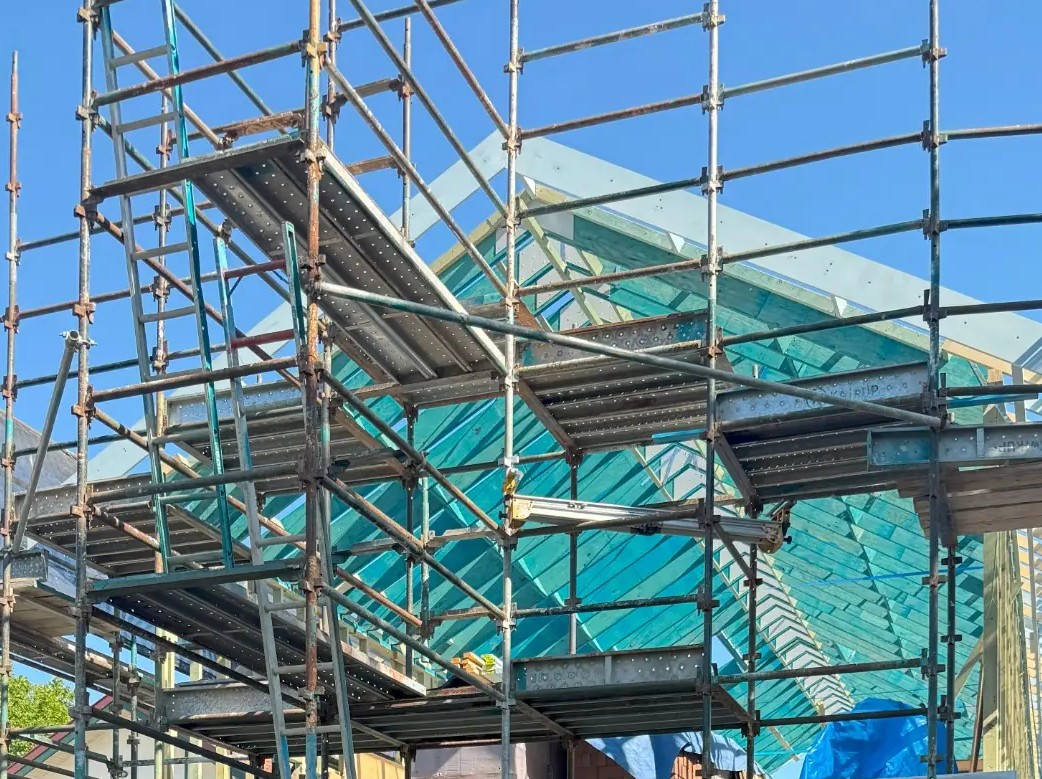
Learn how cathedral ceilings are designed, framed, and engineered. Covers AS 1684.2 timber sizing, loads, ventilation, and safety essentials.
Cathedral Ceilings: Structural Design, Framing & Safety Explained
Cathedral ceilings are one of those features homeowners love instantly. They create space, light, and architectural drama in a way flat ceilings simply can’t. But behind that open, soaring look is a much more complex structural system than most people realise.
Whether you’re planning a renovation or designing a new build, cathedral ceilings require careful engineering, compliant timber framing, and professional oversight. Get it wrong, and you risk structural failure, poor thermal performance, or long-term roof issues. Let’s break down what actually goes into building them properly.
What Are Cathedral Ceilings?
A cathedral ceiling follows the slope of the roof rather than sitting flat at ceiling level. Instead of a roof space above, the internal ceiling lining is fixed directly to the rafters or structural members.
Key characteristics include:
-
Sloping ceilings that mirror roof pitch
-
No conventional ceiling cavity
-
Exposed or concealed structural rafters
-
Increased internal volume and natural light
Because the ceiling and roof structure are essentially one system, cathedral ceilings place higher demands on framing, engineering, and moisture control than standard construction.
Featured snippet definition:
Cathedral ceilings are sloped ceilings that follow the roofline, eliminating the roof cavity and requiring structural rafters to span between supports.
Cathedral Ceiling Framing Under AS 1684.2
Cathedral ceiling framing is not just “standard framing without ceiling joists.” Under AS 1684.2 – Residential Timber-Framed Construction (Non-Cyclonic Areas), rafters in cathedral ceilings must often act as both roof support and ceiling support.
This typically means:
-
Larger rafter sizes than conventional roofs
-
Reduced allowable spans compared to ceiling-joist systems
-
Closer rafter spacing in many cases
Timber size depends on:
-
Span length
-
Roof pitch
-
Dead loads (roofing, insulation, linings)
-
Live loads (maintenance, wind uplift)
-
Timber species and stress grade
Brands Built tip: If a rafter is doing two jobs instead of one, it will almost always need to be bigger. That’s not optional — it’s structural reality.
AS 1684.2 provides span tables, but cathedral ceiling layouts often exceed “deemed-to-comply” limits, triggering the need for engineered design.
Structural Engineering Challenges and Load Paths
The biggest challenge with cathedral ceilings is managing loads without traditional ceiling joists or collar ties to restrain outward thrust.
Common engineering considerations include:
-
Rafter thrust forces pushing external walls outward
-
Long clear spans with limited intermediate support
-
Concentrated loads at ridge beams or support posts
Smart structural solutions may involve:
-
Structural ridge beams (LVL, glulam, or steel)
-
Engineered rafters or portal frames
-
Hidden steel beams integrated into the ceiling line
These elements must be designed by a structural engineer. There is no safe “rule of thumb” for cathedral ceiling loads — every roof geometry behaves differently.
Roofing, Insulation, and Ventilation Requirements
Cathedral ceilings leave very little margin for error when it comes to moisture and heat control. Without a roof cavity, ventilation and insulation must be deliberately designed.
Key requirements include:
-
Continuous insulation to meet NCC thermal performance
-
Adequate ventilation paths to prevent condensation
-
Sarking and vapour control layers correctly detailed
Poorly designed cathedral ceilings often suffer from:
-
Condensation buildup
-
Timber decay
-
Mould growth
-
Reduced insulation effectiveness
Smart solution: Combine engineered roof framing with a ventilation strategy designed specifically for the roof pitch and material — not a generic detail.
Safety First: Why Engineering Is Non-Negotiable
Cathedral ceilings are not a DIY or “builder-only” design decision. The risk profile is higher because:
-
Structural redundancy is reduced
-
Failure modes can be sudden and severe
-
Deflection limits are tighter due to ceiling linings
Professional engineering ensures:
-
Compliance with AS 1684.2 or engineered alternatives
-
Correct load transfer to walls and foundations
-
Long-term durability and occupant safety
Brands Built tip: If a ceiling removes structural elements, something else must replace them — and only engineering can confirm what that is.
Final Thoughts on Cathedral Ceilings
Cathedral ceilings can transform a home, but they demand respect from a structural and safety perspective. Larger timber sizes, engineered load paths, and carefully detailed insulation and ventilation are essential — not optional upgrades.
If you’re considering cathedral ceilings in a renovation or new build, engage a qualified builder and structural engineer early. Done properly, they’re stunning, safe, and built to last. Done poorly, they become one of the most expensive mistakes in residential construction.
Thinking about a cathedral ceiling? Speak with professionals who understand timber framing, engineering, and compliance before you commit.
Contact us today at Brands Built